Myth-Busting
Asset-Based Doesn't Mean Audited
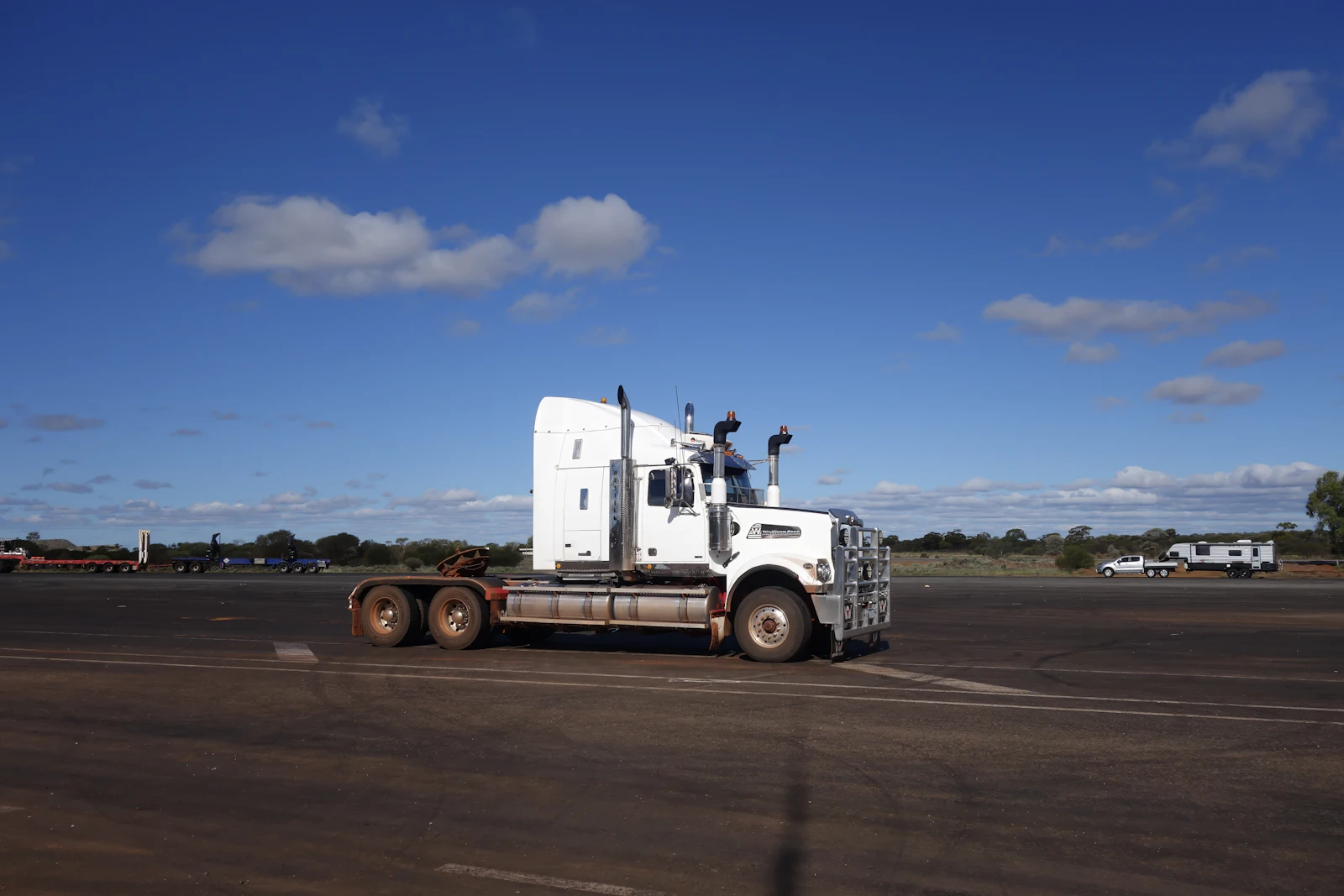
There's a comforting assumption baked into a lot of shipper decision-making: if a carrier owns its own trucks, it must be a safer bet than booking through a broker. Asset-based sounds like accountability. It sounds like skin in the game. What it does not mean, and was never designed to mean, is that the carrier has passed any kind of independent safety or compliance audit.
What an Unsatisfactory Rating Actually Looks Like
In the US, FMCSA assigns safety ratings of Satisfactory, Conditional, or Unsatisfactory based on a compliance review — but the majority of active carriers have never had a full compliance review at all, and simply carry no rating on file. In Canada, CVOR (Commercial Vehicle Operator's Registration) assigns a similar risk tier based on inspection and violation history, and a carrier can sit in the "unsatisfactory" or high-risk band for months before enforcement action changes anything. Owning a fleet of trucks has no bearing on either number. A carrier can have twenty trucks in its yard and a compliance file that would make an insurer's eyes water.
Why Shippers Rarely Check
Pulling a carrier's SAFER record, CVOR abstract, or CSA scores isn't hard — it takes minutes on a government portal. But it's a step that gets skipped constantly, for a simple reason: the shipper is evaluating the sales conversation, the truck photos, the professionalism of the quote — not a regulatory database most people have never heard of. A polished website and a fleet of clean-looking trailers say nothing about out-of-service rates, hours-of-service violations, or how many roadside inspections resulted in a citation in the last 24 months.
What This Means for Your Freight
The practical risk isn't abstract. A carrier with a deteriorating safety record is statistically more likely to be involved in an incident, more likely to have inspection-related service disruptions, and — as we cover elsewhere — more likely to have an insurer contest a claim if that rating was already unsatisfactory at the time of loss. None of that shows up in a rate quote. It only shows up after something goes wrong.
The Vetting Step That Actually Matters
This is precisely the gap a real carrier-vetting process is built to close. Before any carrier moves a Bever load, we pull and review their FMCSA/CVOR status, safety rating, and violation history as part of an 11-point compliance check — not once at onboarding, but on a recurring basis for as long as they're active in our network. "Asset-based" tells you a carrier owns equipment. It tells you nothing about whether that equipment, and the operation behind it, would pass an audit today. Ask us how our vetting works before your next shipment goes out with an unaudited carrier.
← More articles from Bever Logistics Group