Cross-Border
Cross-Border Tariffs in 2026: What Shippers Need to Know
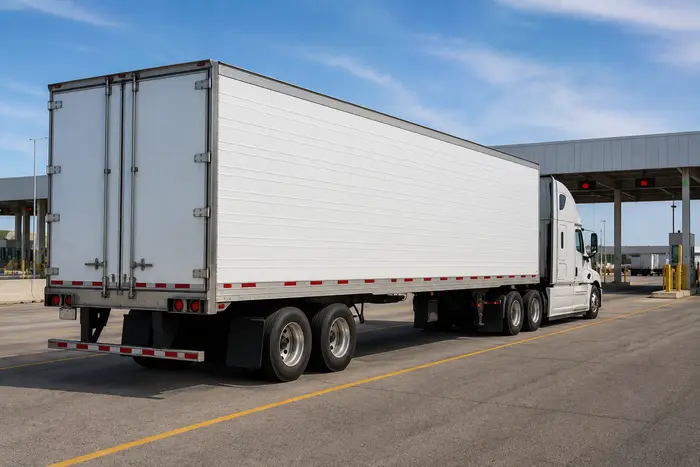
Cross-border trade policy between Canada and the United States has been anything but static. For shippers moving freight across the border, tariff changes don't just affect landed cost — they affect how freight is documented, cleared, and scheduled.
Why Tariffs Matter Beyond the Price Tag
When tariff schedules shift, so does the paperwork behind every shipment. Incorrect HS codes, missing certificates of origin, or outdated valuation documentation can hold a load at the border regardless of how good the carrier is. The freight itself might be ready — but if the documentation isn't, the truck doesn't move.
Where Shippers Get Caught Off Guard
- Assuming last year's tariff classification still applies to this year's shipment
- Underestimating how a tariff change affects total landed cost, not just the goods value
- Not having a customs-compliant carrier lined up in advance for CBSA/CTPAT clearance
How Proper Cross-Border Handling Protects You
A freight partner who handles cross-border volume every day catches these issues before they cost you a delayed shipment. That means correct customs documentation, CBSA and CTPAT-compliant carriers, and ELD-compliant equipment on both sides of the border — not scrambling to fix a hold after the truck is already at the crossing.
Bever Logistics Group moves freight across every major Canada–USA corridor, from BC–Washington to Quebec–New York, with carriers vetted specifically for cross-border compliance. If tariff changes have you rethinking your cross-border freight strategy, talk to our team — we handle the compliance side so your freight keeps moving.
← More articles from Bever Logistics Group